





Focus Areas and Targets

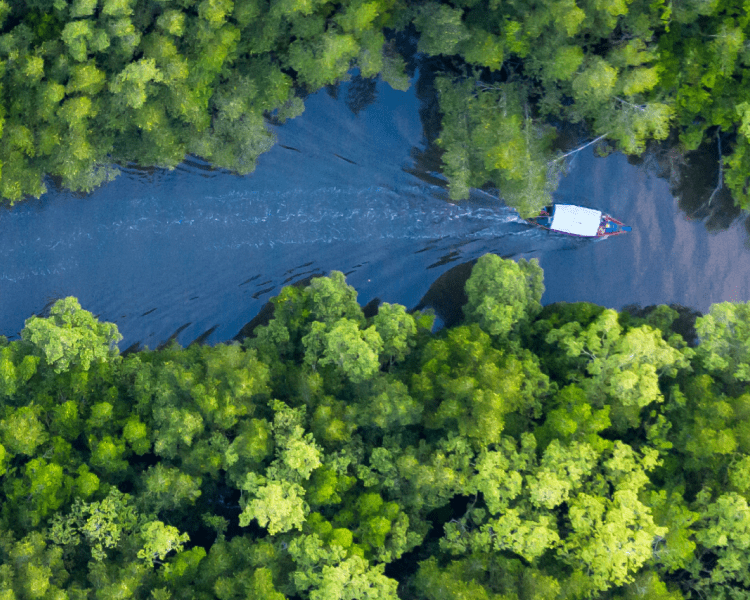
7 OSP Sustainability Focus Areas
In 2025, the Sustainability Working Group reviewed Osotspa’s sustainability challenges and roadmap to ensure that the Company’s sustainability direction remains aligned with the evolving business landscape, responds to stakeholder expectations, and supports Osotspa’s sustainable business growth.
As part of this review, Osotspa conducted a Materiality Assessment applying the Double Materiality principle to consider two dimensions: the impacts of the Company’s business activities on the economy, society, and the environment, and the impacts of sustainability-related matters on the Company’s financial performance.
Based on the assessment results, the Company identified seven Sustainability Focus Areas, which provide the framework for setting targets and driving the implementation of Osotspa’s Phase 2 sustainability agenda for 2026–2030.
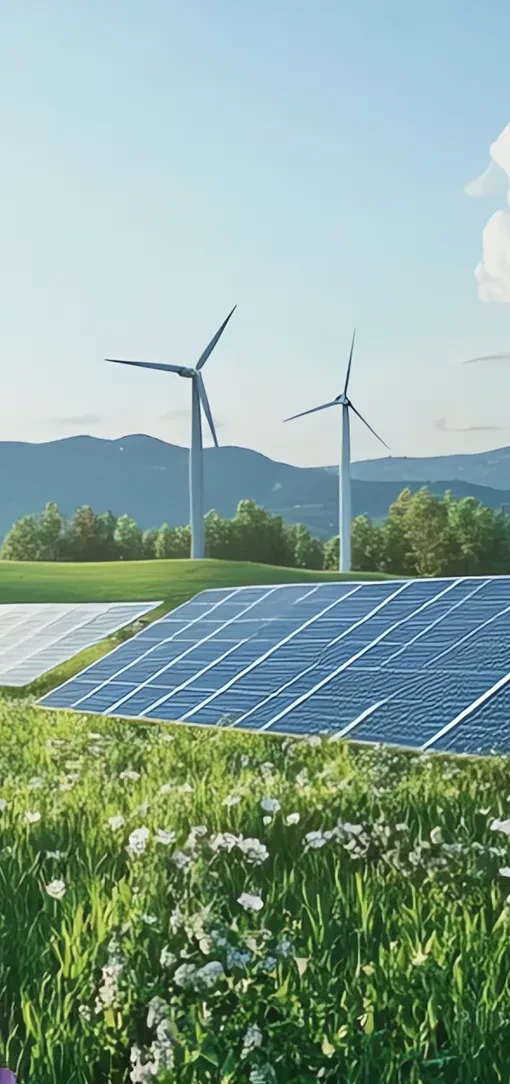
Energy and Climate Management

Water Management

Human Capital and Labor Practices
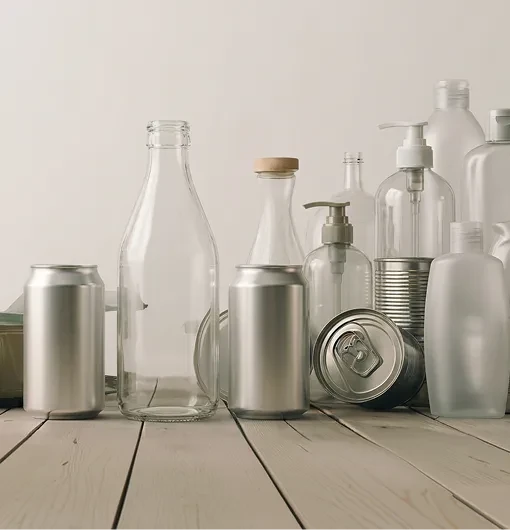
Sustainable Packaging
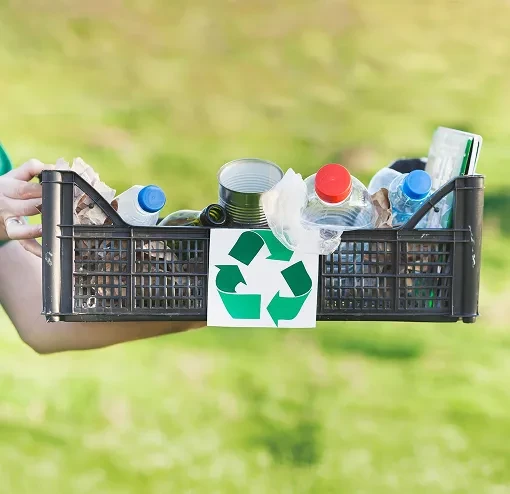
Waste Management

Consumer Health and Well-Being

Supply Chain Sustainability
2025 Sustainability Targets and Performance
Prior to embarking on the second phase of its sustainability journey, Osotspa advanced its sustainability efforts across five Sustainability Focus Areas, with defined targets and continuous monitoring of progress in each area. In 2025, the Company summarized its performance against the established targets, as follows:
Supply Chain Sustainability

UN SDGs 8, 12, 13 and 17
Driving shared growth across the supply chain through sustainable procurement initiatives.
2025 Targets
- Create economic opportunities for 450 small-scale suppliers.
- Improve the quality of life of 500 farmers supplying agricultural raw materials.
- Ensure that 100% of significant suppliers are assessed on environmental, social, and governance (ESG) criteria.
2025 Performance
- Created economic opportunities for 458 small-scale suppliers.
- Improved the quality of life of 549 farmers supplying agricultural raw materials.
- Achieved 100% ESG assessment coverage of significant suppliers.
Consumer Health and Well-being

UN SDGs 2 and 3
Inspiring healthier lifestyles through a diverse portfolio of health-focused products.
2025 Targets
- 100% of beverage products contain less than 6% sugar.
- 50% of health and confectionery products are formulated with no added sugar.
2025 Performance
- 100% of beverage products contained less than 6% sugar.
- 62.5% of health and confectionery products were formulated with no added sugar.
Sustainable Packaging

UN SDGs 12 and 17
Reducing packaging waste and advancing a circular economy through sustainable packaging initiatives.
2025 Targets
- 100% of packaging is recyclable or compostable.
2025 Performance
- 98.74% of packaging was recyclable or compostable.
Water Management

UN SDGs 6 and 12
Improving water-use efficiency through water conservation initiatives and sustainable water resource management.
2025 Targets
- Reduce water consumption in production processes per unit of revenue by 35% from the 2018 baseline.
2025 Performance
- Reduced water consumption in production processes per unit of revenue by 38.78% from the 2018 baseline.
Energy and Climate Management

UN SDG 7, 9, 12 and 13
2025 Targets
- Reduce energy consumption per unit of revenue by 10% from the 2018 baseline.
- Reduce Scope 1 and Scope 2 greenhouse gas emissions per unit of revenue by 15% from the 2022 baseline.
2025 Performance
- Reduced energy consumption per unit of revenue by 32.96% from the 2018 baseline.
- Reduced Scope 1 and Scope 2 greenhouse gas emissions per unit of revenue by 44.46% from the 2022 baseline.