





Energy and Climate Management


Energy and Climate Management
Energy management and climate change response represent important opportunities for Osotspa to enhance operational efficiency across the value chain. This is achieved through reducing energy consumption, increasing the proportion of renewable energy, and applying low-carbon technologies, which help lower long-term costs, strengthen energy security, and reduce risks from energy price volatility. At the same time, these efforts enhance the Company’s competitiveness, respond to the expectations of customers, investors, and regulators, support the transition toward a low-carbon economy, and create long-term sustainable value for the business, society, and the environment.
However, Osotspa faces challenges from climate variability, energy cost volatility, investment requirements for low-carbon technologies, and the complexity of reducing greenhouse gas emissions across the entire value chain, particularly Scope 3 emissions. The Company therefore continues to strengthen its strategies, risk management approach, and collaboration with stakeholders to achieve its Net Zero Emissions target by 2050.
Osotspa has established a clear governance structure for energy management and climate-related matters and has developed a systematic greenhouse gas emissions reduction strategy. The strategy covers energy efficiency improvement, technology and production process upgrades, the promotion of renewable energy use, and the development of energy and greenhouse gas emissions data systems to support the achievement of the Company’s long-term Net Zero target.
In addition, the Company integrates energy management into business processes across the value chain, from investment planning, production process development and improvement, and supplier collaboration to employee awareness and engagement. Osotspa places importance on risk management and adaptation to changes in energy and climate conditions to strengthen operational efficiency, competitiveness, and long-term business resilience.
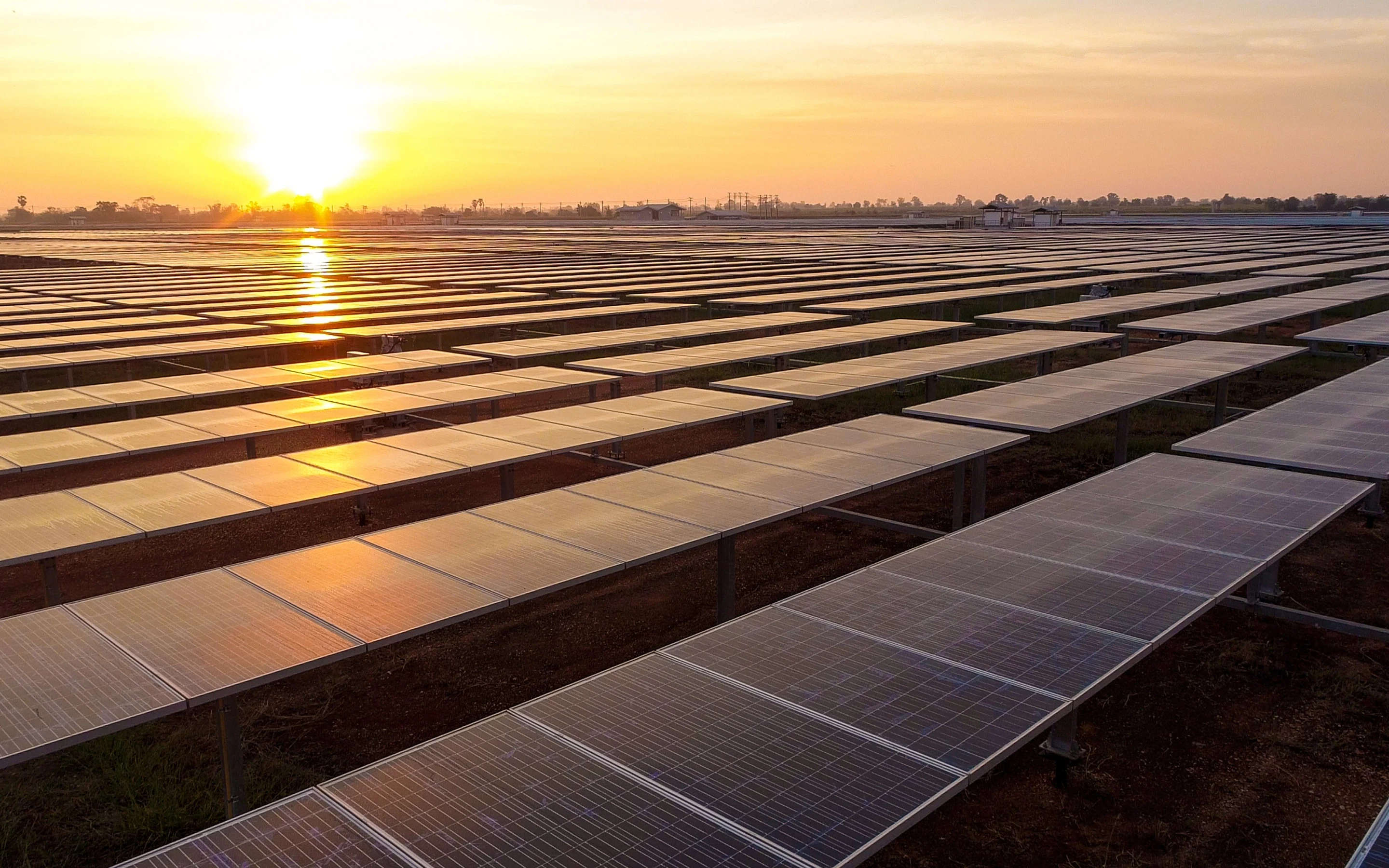
Osotspa is committed to conducting business in a way that supports the transition toward a low-carbon society. The Company has set a target to achieve Net Zero Emissions by 2050, in alignment with the Paris Agreement’s goal to limit the increase in global average temperature to no more than 1.5°C, and in accordance with Thailand’s Nationally Determined Contribution (NDC).
To lay the foundation for this long-term target, the Company has established a short-term target to reduce absolute greenhouse gas emissions by 10% by 2025, compared with the 2018 base year. This is implemented alongside efforts to improve energy efficiency, increase the proportion of renewable energy used in production processes, and continuously reduce greenhouse gas emissions intensity per unit of product. Through these actions, Osotspa aims to build sustainability across the value chain and strengthen its competitiveness at the international level.



Energy Reduction
Energy reduction is one of Osotspa’s key initiatives to support the achievement of its long-term Net Zero Emissions target. The Company focuses on improving energy efficiency throughout its operations to reduce environmental impacts, while also lowering costs and strengthening organizational competitiveness.
Osotspa systematically monitors and reviews energy consumption across its business units and manufacturing plants to assess efficiency and identify opportunities to reduce energy use. These efforts are carried out through process improvements, the application of technology and innovation, and the selection of appropriate energy sources. The energy management function is responsible for monitoring, analyzing, and proposing continuous improvement measures.
Osotspa’s manufacturing plants report energy consumption data annually to the Department of Alternative Energy Development and Efficiency, the key government agency under the Ministry of Energy responsible for regulating, supervising, and promoting efficient energy use in Thailand’s industrial sector, in accordance with relevant requirements. In addition, the Company voluntarily participates in assessment and certification of its energy management system under ISO 50001, as well as external certification, to enhance its energy management practices in line with international standards.
In 2025, the Company’s energy reduction performance and energy efficiency improvement initiatives were as follows:
- In 2025, the Company reduced direct and indirect energy consumption by 608,177 gigajoules compared with 2024. This was achieved through energy efficiency improvements in production processes and the use of technology to monitor and optimize energy consumption according to operational needs.
- The Company reduced energy consumption per total revenue, or energy intensity, by 32.96%, exceeding the 2025 target of 10% reduction compared with the 2018 base year.

Energy Consumption
| Energy Efficiency Improvement Projects in 2025 | Plants | |
|---|---|---|
| Water Pump Cooling System Installation Project | Adjust the operating speed of electric motors to the appropriate level to reduce electricity consumption and greenhouse gas emissions, while continuously monitoring energy consumption data. | Siam Glass Industry - glass bottle production plant, Ayutthaya |
| Inverters for the Air Combustion System Project | Optimizing electric motor operating cycles based on actual usage needs, together with monitoring energy consumption data, helps reduce electricity consumption and greenhouse gas emissions. | Siam Glass Industry - glass bottle production plant, Ayutthaya |
| Hybrid Generator Equipment Installation Project | Compensating electricity supply during certain periods helps improve power distribution efficiency, reduce harmonic distortion, and lower reliance on main electricity consumption, thereby contributing to reduced greenhouse gas emissions. | Beverage manufacturing plant, Ayutthaya |
| Energy consumption | Unit | FY 2022 | FY 2023 | FY 2024 | FY 2025 | Target for FY 2025 |
|---|---|---|---|---|---|---|
| Total non-renewable energy consumption | Mwh | 843,784 | 722,612 | 521,784 | 378,784 | 500,000 |
| Total renewable energy consumption | Mwh | 36,082 | 35,468 | 63,145 | 73,399 | |
| Coverage | percentage of Revenue | 100 | 86 | 100 | 100 |

Renewable Energy Use
* Note: Renewable energy consumption includes self-generated electricity from solar power.
Promoting the Use of Renewable Energy
Osotspa is committed to enhancing the efficiency of its energy management through a systematic energy audit and assessment process. This approach enables the Company to identify opportunities for continuous improvement across all production processes.
In 2025, the Company applied insights from its energy audit analysis to implement strategic initiatives, including the transition to renewable energy from solar power and biomass, as well as machinery efficiency improvements through modern technologies. All energy consumption data and implementation approaches have been externally verified in accordance with international standards to ensure transparency, data accuracy, and the Company’s tangible commitment to reducing greenhouse gas emissions.
In 2025, the Company increased its renewable energy consumption by more than 37,055 gigajoules compared with 2024. This was achieved through the use of natural renewable energy sources, such as replacing natural gas (NG) with palm kernel shells as biomass fuel for combustion, and expanding the installation of solar panels.
In 2025, the Company also implemented projects to increase the use of renewable energy, as follows:

Biomass Boiler System at the Ayutthaya Beverage Plant (BEV AY)
The project uses natural renewable energy sources, such as palm kernel shells, as biomass fuel for combustion in place of natural gas (NG).

Reduced Greenhouse Gas Emissions

Reduced Production Costs by Approximately

Solar Rooftop Installation Project
The Company expanded the installation of solar panels to generate electricity for use within its factories, reducing reliance on fossil fuel-based energy.
Reduced Greenhouse Gas Emissions

Innovation and R&D in lightweight glass bottle
The Company invests in innovation and R&D in lightweight glass bottle production and advanced NNPB (Narrow Neck Press and Blow) technology to improve material and manufacturing efficiency, thereby reducing energy consumption and environmental impacts. These initiatives have contributed to an 80%* reduction in GHG emissions from glass bottle production. * comparison between a glass bottle of original weight using 100% virgin raw materials and a glass bottle of 15% lighter and 75% cullet ratio
Reduction of Greenhouse Gas Emissions
In alignment with the United Nations Sustainable Development Cooperation Framework and Thailand’s Climate Change Master Plan, Osotspa has continued to reduce its environmental impacts by promoting the use of alternative energy and improving resource management efficiency. To achieve the Company’s long-term greenhouse gas emission reduction goals, Osotspa has assessed climate-related risks and opportunities in accordance with the Task Force on Climate-related Financial Disclosures (TCFD) framework, covering both physical risks and transition risks to strengthen long-term business resilience.
These risks may affect Osotspa’s business in several areas, including climate variability that could impact raw materials and transportation, higher operating costs from resource management and investment in production technologies, changing consumer demand for environmentally responsible products, and increasingly stringent environmental laws and government policies, which could affect the Company’s reputation if it is unable to adapt effectively.
Osotspa is also committed to systematically integrating climate-related considerations into its capital expenditure (CAPEX) planning and allocation process. The Company assesses the alignment of new investment projects with its long-term greenhouse gas emission reduction goals and is gradually shifting its investment portfolio towards low-carbon technologies and production processes. At the same time, Osotspa is committed to phasing out investments in unabated high-carbon assets and activities in line with its long-term GHG emission reduction pathway, while increasing investment in renewable energy, energy-efficient technologies, and innovations that support the transition towards a low-carbon economy. The results of the Company’s climate-related risk and opportunity assessment under the TCFD framework are used to inform investment decision-making, ensuring that future capital allocation remains aligned with Osotspa’s greenhouse gas emission reduction pathway in a continuous and tangible manner.
In addition, the Company continuously monitors its direct and indirect greenhouse gas emissions, covering Scope 1, Scope 2, and Scope 3 emissions, in accordance with the Carbon Footprint for Organization standard of the Thailand Greenhouse Gas Management Organization (Public Organization) (TGO). This supports transparent reporting and performance evaluation against the Company’s sustainability targets.
In 2025, Osotspa reduced its direct and indirect greenhouse gas emissions, covering Scope 1 and Scope 2, by 44,248.09 tCO2e compared with 2024. This achievement was driven by production process optimization and energy reduction initiatives, such as the installation of solar panels and the transition to biomass fuel. Furthermore, the Company reduced its greenhouse gas emissions intensity per total revenue by 44.46%, exceeding its 2025 target of 15% compared with the 2022 base year.
2025 - Performance of GHG Emissions

Scope 1
Scope 2
Scope 3
* Note: Currently, the Company’s Scope 1, Scope 2, and Scope 3 greenhouse gas emissions have been externally verified and registered with the Thailand Greenhouse Gas Management Organization (Public Organization) (TGO). Scope 3 emissions currently cover two key categories: Category 1 - Purchased Goods and Services, and Category 3 - Fuel- and Energy-related Activities. The Company is in the process of further developing its internal data management system to enable more accurate and comprehensive greenhouse gas emissions reporting in the future.
Greenhouse Gas (GHG) Emission Performance
| Greenhouse Gas (GHG) Emissions | Unit | 2022 | 2023 | 2024 | 2025 | 2025 Target |
|---|---|---|---|---|---|---|
| Total direct GHG emissions (Scope 1) | metric tonnes of CO2 equivalents | 186,256 | 153,645 | 122,149 | 89,657 | 115,000 |
| Indirect Greenhouse Gas Emissions (Scope 2) | ||||||
|
metric tonnes of CO2 equivalents | 98,199 | 84,581 | 70,208 | 58,452 | 65,000 |
|
metric tonnes of CO2 equivalents | 98,199 | 84,581 | 70,208 | 58,452 | 65,000 |
| Indirect Greenhouse Gas Emissions (Scope 3) | metric tonnes of CO2 equivalents | 274,682 | 327,831 | 388,433 | 314,085 | 360,000 |
|
metric tonnes of CO2 equivalents | 217,719 | 279,670 | 341,086 | 273,851 | |
|
metric tonnes of CO2 equivalents | 56,963 | 48,161 | 47,347 | 40,234 | |
| Coverage | Percentage of Revenues | 100 | 100 | 100 | 100 | |