




Product Innovation


The consumer goods industry is evolving rapidly, driven by changing consumer behaviors, technological advancements, and the growing longevity trend. As a result, innovation has become a key driver of long-term competitiveness and sustainable growth. According to McKinsey & Company's Innovation in Consumer Packaged Goods report (2023), more than 75% of industry growth is generated by new products and innovation, underscoring the critical role of innovation in driving business growth.
For consumer goods companies, innovation extends beyond the development of new products. It also encompasses product reformulation, manufacturing process improvements, packaging innovation, and business model transformation to respond to continuously evolving consumer needs. Particular emphasis is placed on addressing emerging trends in health, nutrition, and environmental sustainability, including optimizing packaging to improve resource efficiency and reduce environmental impacts.
At the same time, innovation development presents a number of challenges, including the complexity of product development, rapidly changing consumer preferences, research and development (R&D) investment requirements, and uncertainty regarding market acceptance, particularly during the early stages of innovation. To address these challenges, organizations need a structured innovation management process that enhances the likelihood of successful commercialization while mitigating business risks.
Management Approach
Osotspa recognizes innovation as a key driver of sustainable growth and integrates innovation into its business strategy to develop products, packaging, and manufacturing processes that effectively respond to evolving consumer needs.
The Company focuses on driving innovation through consumer insights, research and development (R&D), technology adoption, and responsible product design. These efforts enhance product quality, improve manufacturing efficiency, and reduce environmental impacts. This approach aligns with the practices of leading global consumer goods companies, which continuously invest in innovation to strengthen competitiveness and respond to changing market trends. In 2025, the Company employed 47 R&D personnel and invested THB 179 million in research and development, reflecting its strong commitment to innovation.
The Company also promotes collaboration with business partners, research institutions, and external organizations to advance knowledge development, accelerate technological innovation, and strengthen employee capabilities. These collaborations foster a culture of innovation and enhance the Company's ability to continuously develop new products.
In addition, during 2025, Osotspa further strengthened its innovation management by leveraging digital technologies to manage critical innovation-related information, including experimental results, artwork files, project plans, product designs, and packaging prototypes. These data are stored in a secure digital system protected by multiple layers of security controls, ensuring that confidential information is safeguarded and accessible only to authorized personnel.
Stage Gate Process
To enhance the efficiency of new product development, the Company continuously applies the Osotspa Innovation Process Management (O-IPM) framework. The framework improves agility, simplifies the product development process, and optimizes resource utilization throughout the innovation lifecycle—from idea generation to market launch. The process is guided by the following key considerations:

Alignment with Consumer Needs

Risk Assessment and Management

Research and Development Investment

Management of Product Success Factors
Since 2020, Osotspa has adopted the Stage-Gate Process to manage innovation across the product development lifecycle, from idea generation to product launch. The process consists of five key stages:


For products requiring only minor modifications, the Stage-Gate Process may be streamlined to accelerate product development and enable a faster response to market needs. The streamlined process is outlined below.
Stage Gate Process
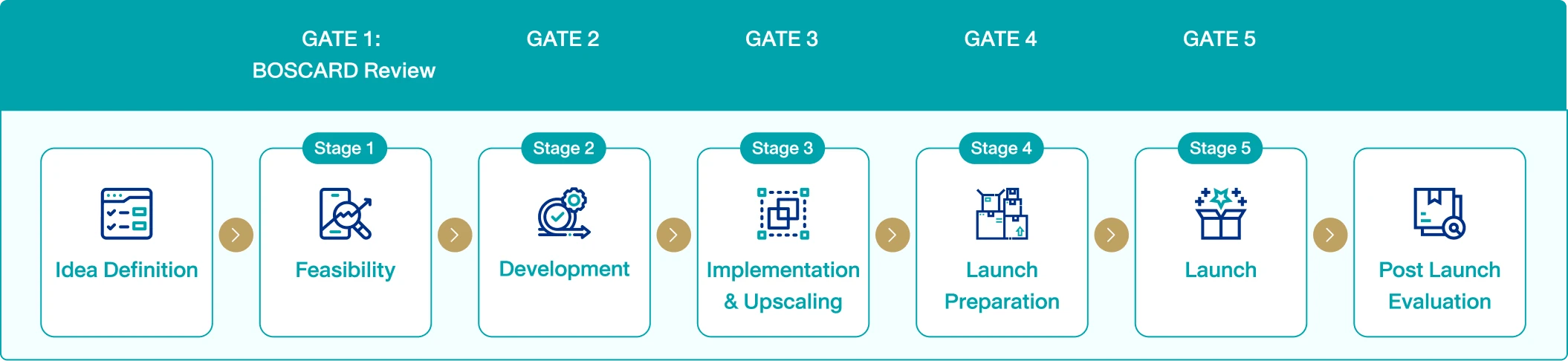
Each innovation project is managed by a cross-functional Core Team comprising representatives from key functions, including Research and Development (R&D), Manufacturing, Quality Control, Supply Chain, Marketing, Sales, and Finance. The Core Team regularly presents project progress and key information to the Gatekeepers for evaluation and decision-making at each gate, determining whether the project should proceed, be placed on hold, or be discontinued, as appropriate.
Research and Development Investment
The Company's investment in research and development has shown an upward trend over the reporting period, reflecting its strategic commitment to advancing research, development, and innovation. This investment strengthens operational capabilities, enhances long-term competitiveness, and supports sustainable growth.

Research and Development (R&D) Investment
| Year | 2023 | 2024 | 2025 |
|---|---|---|---|
| Research and Development (R&D) Expenditure (THB million) | 167 | 167 | 179 |
Open Innovation and Process Innovation
Continuous improvement is a key priority for the Company. In 2025, the Greensville manufacturing plant for liquid products and personal care powder products, continued to enhance operational excellence by developing and applying engineering technologies to improve process control, reduce human error, and increase operational efficiency. These initiatives demonstrate the Company's commitment to process innovation, delivering sustainable and long-term operational improvements. Key achievements included:
- Automated Filling and Capping Machine for Fragrance Products – Improved operational efficiency through an automatic filling and capping machine with precise filling weight control and cap torque control for every bottle.
- Automatic Sensor for Roller Ball Detection in the Roll-on Deodorant Filling Process – Introduced motion sensors to detect roller balls during the filling process, improving filling accuracy and operational efficiency.
- Gripped Sheet to Reduce Plastic Stretch Film for Pallet Wrapping – Replaced conventional plastic stretch film with gripped sheets to reduce plastic consumption and environmental impacts, supporting the Company's goal of eliminating PVC packaging by 2025.
- Electronic Batch Manufacturing Record Through the Web Mix Program – Implemented the Web Mix system to capture real-time batch mixing data, improving data accuracy, minimizing human error, and enhancing process traceability, monitoring, and analysis.
- Automatic Filling and Capping Machine for Liquid Soap Products – Increased production efficiency and capacity through a high-speed automated filling and capping system, achieving 2.5 times the filling speed of the previous equipment.
- Robotic Palletizer – Installed robotic arms to automate palletizing operations, reducing manual handling and heavy lifting for employees on the packaging line.
- Loose Cap Detection Machine for Powder Bottles – Applied Automated Optical Inspection (AOI) technology to detect improperly sealed powder bottles before distribution, preventing product leakage during transportation and retail handling.
- Automatic Labeling Machine – Expanded the use of automatic labeling machines on powder packaging lines to improve productivity and address labor shortages.
- Stainless Steel Holding Tank for Bulk Product Prior to Filling – Installed stainless steel holding tanks to store intermediate products before filling, significantly reducing the use of plastic bags during the production process.
Product Innovation for Consumer Health
Osotspa continues to accelerate innovation across its product portfolio by enhancing product packaging and/or consumer benefits to address evolving lifestyles and changing consumer preferences, while expanding into high-growth consumer segments. In 2025, key achievements included:
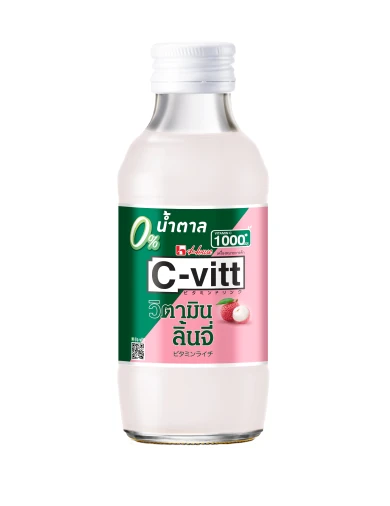
C-Vitt with Newly Developed Vitamin C Formula
Product Improvements and Innovations
- Added a new flavor with C-Vitt Lychee, made with real lychee juice
- Added 1,000 mg of vitamin C per serving to support consumers’ daily vitamin C needs
- Developed a health-focused formula with low sugar content of less than 6 grams per 100 ml.
Outputs and Outcomes
- Enhance immune system and functions
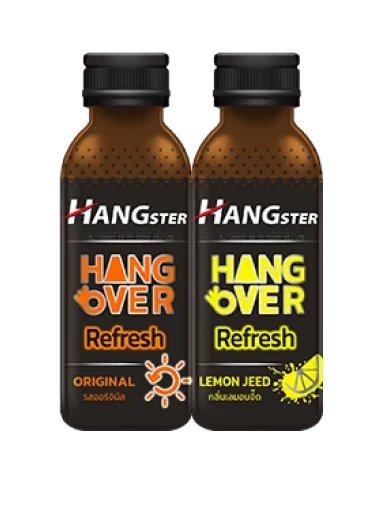
Hangster
Product Improvements and Innovations
- Developed a product that combines nutrients to help relieve hangover related discomfort, promote refreshment, and reduce discomfort after alcohol consumption. The formula contains glutathione, yeast extract, taurine, vitamin B3 and zinc, and is available in two variants: Original Flavor and Lemon Flavor.
- Health-focused formula with low sugar content of less than 6 g. per 100 ml.
Outputs and Outcomes
- Help relieve headache and nausea associated with hangover by supporting faster alcohol metabolism
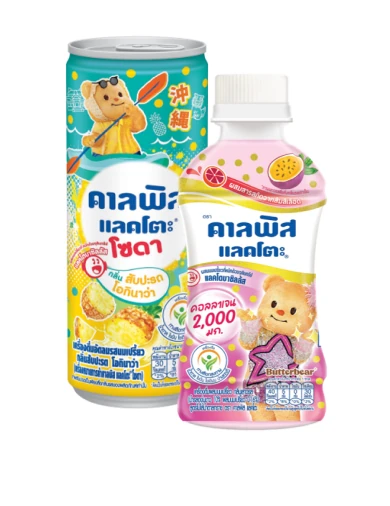
Calpis
Product Improvements and Innovations
- Calpis product innovation with enhanced functional benefits 1) Calpis Detox with fiber and 8,000 mg. of XOS in Apple Tea Flavor 2) Calpis Beauty Shine with Blood Orange Extract and 2,000 mg. of collagen in Passion Fruit Flavor
- Calpis and Calpis Soda launched five new flavors with Japanese-inspired taste profiles.
Outputs and Outcomes
- Expanded the product portfolio by offering beverages with enhanced functional benefits and a wider variety of flavors, addressing evolving consumer preferences and demand for innovative health-focused beverages.
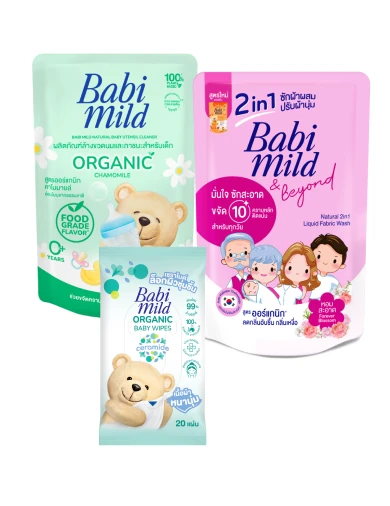
Babi Mild Brand Products
Product Improvements and Innovations
- Expanded the Babi Mild & Beyond portfolio with products formulated to be gentle on the skin while delivering enhanced functional benefits for every member of the family. The product range features Prebiotics, a naturally derived Plant-based Surfactant, and botanical extracts, providing effective yet gentle cleansing while maintaining skin softness and moisture.
- Launched the new Babi Mild Organic Baby Wipes, a gentle cleansing wipe product containing ceramide and tested for skin irritation.
- Continued to enhance products across the personal care portfolio, including body care products and 2-in-1 hair care products for children.
- Launched special product collections in collaboration with well-known influencers, such as Butterbear and Polcasan, to add cuteness, fun, and new choices for consumers.
Outputs and Outcomes
- Babi Mild maintained its position as the No. 1 baby care brand in Thailand, while the baby powder category remained the No. 2 brand in the market.
- The Babi Mild & Beyond portfolio continues to address the evolving needs of Thailand's growing aging population by extending gentle skin care solutions beyond babies and children to adults and older consumers with sensitive skin. The products help strengthen the skin barrier, maintain healthy skin, and reduce skin irritation while providing gentle and effective care.
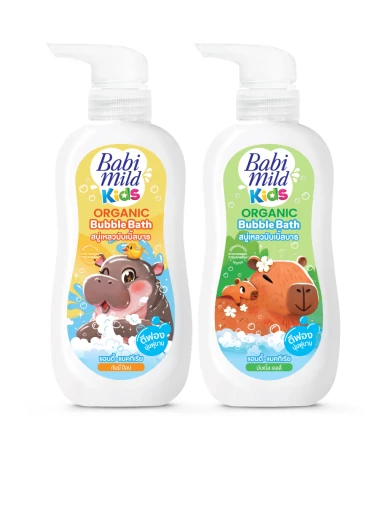
Babi Mild Kids Brand Products
Product Improvements and Innovations
- Launched new Babi Mild Kids Organic products, including bubble bath shower cream, powder, and toothpaste. The new bubble bath formula remains gentle while being developed to create richer foam, adding more fun to children’s bath time, with a variety of colors and new fragrances to choose from.
Outputs and Outcomes
- Received a positive consumer response by meeting children's preferences for colorful bath experiences and a wider variety of fragrances, complemented by fun and attractive packaging that enhances the overall bathing experience.
Ultra Mild by Babi Mild Brand Products
Product Improvements and Innovations
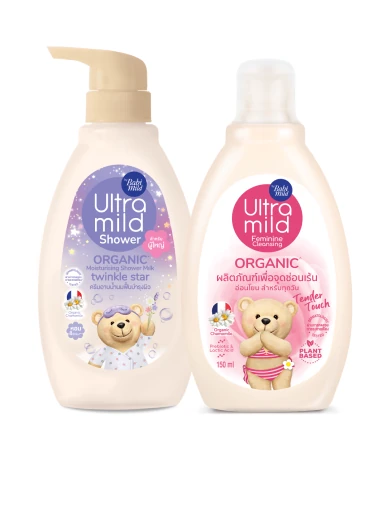
- Expanded the product portfolio to meet the needs of women seeking gentle and effective personal care by introducing three new body wash fragrances, three new lotion fragrances, and a feminine intimate wash range. The intimate wash products feature a pH-balanced formula enriched with prebiotics, together with feminine cleansing wipes for everyday hygiene.
- Launched underarm deodorants in both roll-on and water-based spray formats, introducing an innovative product format to the market. The products provide effective odor protection, a pleasant fragrance, and have been dermatologically tested for skin irritation.
Outputs and Outcomes
- Ultramild continued to achieve strong growth in 2025, with body wash sales increasing by 38% and feminine intimate wash sales increasing by 342% compared with 2024. The brand also achieved the No. 1 sales ranking at Watsons in both the body wash and feminine intimate wash categories.
- The water-based spray deodorant received a strong market response following its launch, reflecting high consumer demand. The product offers an environmentally friendly alternative to conventional aerosol deodorants while delivering enhanced odor protection through an improved deodorant formulation.
Twelve Plus Brand Products
Product Improvements and Innovations
- Launched Deo Spray, a new underarm deodorant innovation in an environmentally friendly water spray format with improved deodorizing effectiveness.
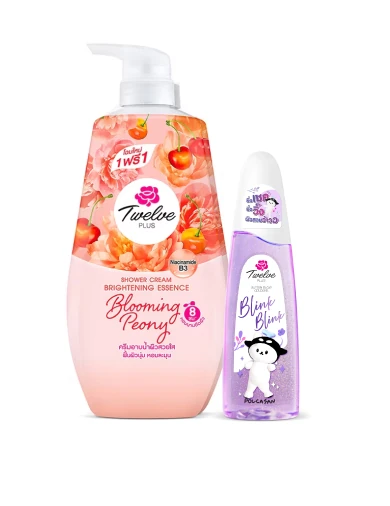
- Launched shower cream products in 2 new fragrances containing lactic acid to help balance the skin, and lotion products in new premium fragrances containing 3 types of ceramide and vitamin B3 to help promote smooth, soft, and radiant skin while maintaining a premium fragrance experience.
- Launched several new cologne formulas, including new fragrances inspired by counter-brand perfumes and fragrances co-developed with Babi Mild. The Company also introduced glitter cologne products that give the skin an eye-catching glow, as well as a special edition in collaboration with Polcasan, the well-known GMM influencer mascot, to further increase appeal among Gen Z consumers.
Outputs and Outcomes
- Introduced an innovative, environmentally friendly water-based spray deodorant that delivers effective deodorant protection while continuing to provide skin-brightening benefits to consumers.
- Expanded the Company's fragrance portfolio by enabling consumers to enjoy premium fragrances across multiple product categories, including body wash, lotion, and perfume lotion.
- Enhanced the product portfolio to better address the evolving preferences of Generation Z consumers, particularly their growing demand for unique and premium fragrance experiences.

Botan Herbal Drink Candy (Chrysanthemum-Flavored Candy)
Product Improvements and Innovations
- Building on the success of the Botan Heritage portfolio, the Company expanded the product line in 2025 by introducing a new Sugar-Free concept that combines sparkling water with fruit juice, offering a refreshing and enjoyable drinking experience while maintaining the brand's signature identity. The launch also broadened the product portfolio and appealed to health-conscious consumers seeking soft drink alternatives.
Outputs and Outcomes
- Delivered a refreshing beverage experience inspired by the aroma and refreshing taste of chrysanthemum, suitable for any occasion.
- Expanded product choices for consumers who prefer Botan Herbal Drink Candy products.
- Reached new consumer segments that had not previously purchased Botan Herbal Drink Candy products, encouraging trial and broadening the customer base.
Ole Magic Mix Blackcurrant and Pineapple-Flavored Candy (Ole Trademark)
Product Improvements and Innovations
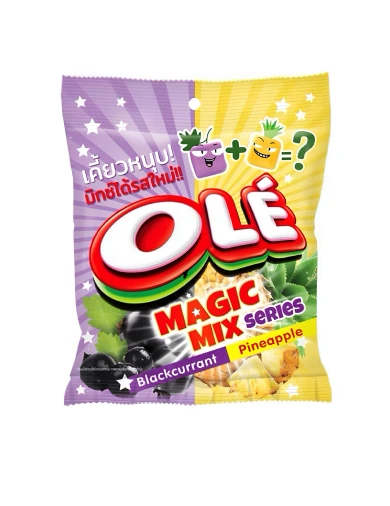
- Introduced Ole Magic Mix, an innovative confectionery concept that transforms the traditional Ole candy into a soft, chewy candy featuring two fruit flavors—Blackcurrant and Pineapple—in a single pack. Consumers can enjoy each flavor individually or combine both candies to create a new flavor experience, adding an element of surprise and encouraging playful interaction. This innovative concept enhances consumer enjoyment and creates a more engaging confectionery experience.
Outputs and Outcomes
- Stimulated growth in the confectionery market and created new growth opportunities for the Ole brand through an innovative product format and a unique flavor-mixing concept that appeals to new consumer segments.
- Delivered a differentiated candy experience by allowing consumers to create and discover new flavor combinations, making every bite more enjoyable and engaging.
- Strengthened the Ole brand platform, establishing a foundation for future product innovations and line extensions.

Developing Employee Capabilities to Drive Innovation
The Company promotes the continuous development of employee capabilities to foster innovation across the organization. Employees are provided with training on digital technologies and analytical tools, such as Microsoft Power BI, to strengthen data analytics capabilities and support the development of innovative solutions.
In addition, the Company organizes innovation-related training programs and activities to encourage creativity, inspire new ideas, and empower employees to apply their knowledge to improve work processes and create greater value for the organization.