


Sustainable Packaging
Sustainable Packaging
The transition to sustainable packaging continues to face several key challenges, including the higher costs of recycled materials and the greater complexity of production processes compared with conventional materials. Further development of recycling infrastructure across the entire value chain is also essential, together with stronger collaboration among business partners and consumers to ensure proper waste separation, collection, and recycling. Addressing these challenges is critical to enabling an effective and sustainable transition toward more sustainable packaging while maintaining product quality and the Company’s competitiveness.
Our Sustainable Packaging Commitment
Under its vision, “The Power to Enhance Life,” Osotspa Public Company Limited and its subsidiaries are committed to driving business growth while reducing environmental impacts throughout the product value chain. The Company takes a systematic approach to the design, sourcing, production, use, and post-consumer management of packaging to support a circular economy, reduce the use of natural resources, and minimize packaging waste sent for disposal.
Osotspa has established a long-term ambition to advance Zero Packaging Waste and reduce the environmental impacts associated with packaging, with a target for 100% of packaging to be recyclable, reusable, or compostable by 2030. To further respond to industry developments and stakeholder expectations, the Company has also established quantitative Group-wide targets to reduce packaging weight per unit of product by 15% by 2024 and eliminate 100% of environmentally unfriendly plastics by 2025, covering primary and secondary packaging associated with the Company’s products.
Osotspa’s sustainable packaging approach focuses on seven key areas:
- Reduce packaging weight and material use
- Increase the proportion of reusable packaging
- Increase the proportion of recyclable packaging
- Reduce and eliminate unnecessary single-use plastics
- Increase the use of recycled materials, particularly post-consumer recycled (PCR) materials
- Establish mechanisms to ensure that recyclable packaging is collected and effectively returned to recycling systems
- Allocate research and development resources to develop alternative packaging solutions and packaging innovations with lower environmental impacts
To translate these commitments into action, Osotspa integrates its sustainable packaging goals into product design, procurement, collaboration with Tier 1 and Non-Tier 1 suppliers, manufacturing, distribution, and engagement with external stakeholders, including recyclables buyers and collectors, local authorities, waste management partners, and consumers. The Company continuously monitors progress through indicators including packaging weight, the proportion of recyclable/reusable/compostable packaging, recycled content in packaging, and packaging collection or actual recycling rates.
Targets and Performance


2025 Target

2025 Target

Osotspa manages materials and packaging in accordance with national and international sustainable packaging management standards and guidelines under the Company’s Occupational Health, Safety and Environment Policy, which has been approved by the Chief Executive Officer. The policy provides direction for the Company’s operations in alignment with its long-term sustainability strategy.
The Company applies the 5Rs principles as a framework for managing packaging throughout its life cycle, from design and production to end-of-life management, as follows:

Remove

Reduce

Reusable

Replace

Recycle
Implementation Strategy
Remove — Eliminating Unnecessary Materials to Improve Resource Efficiency
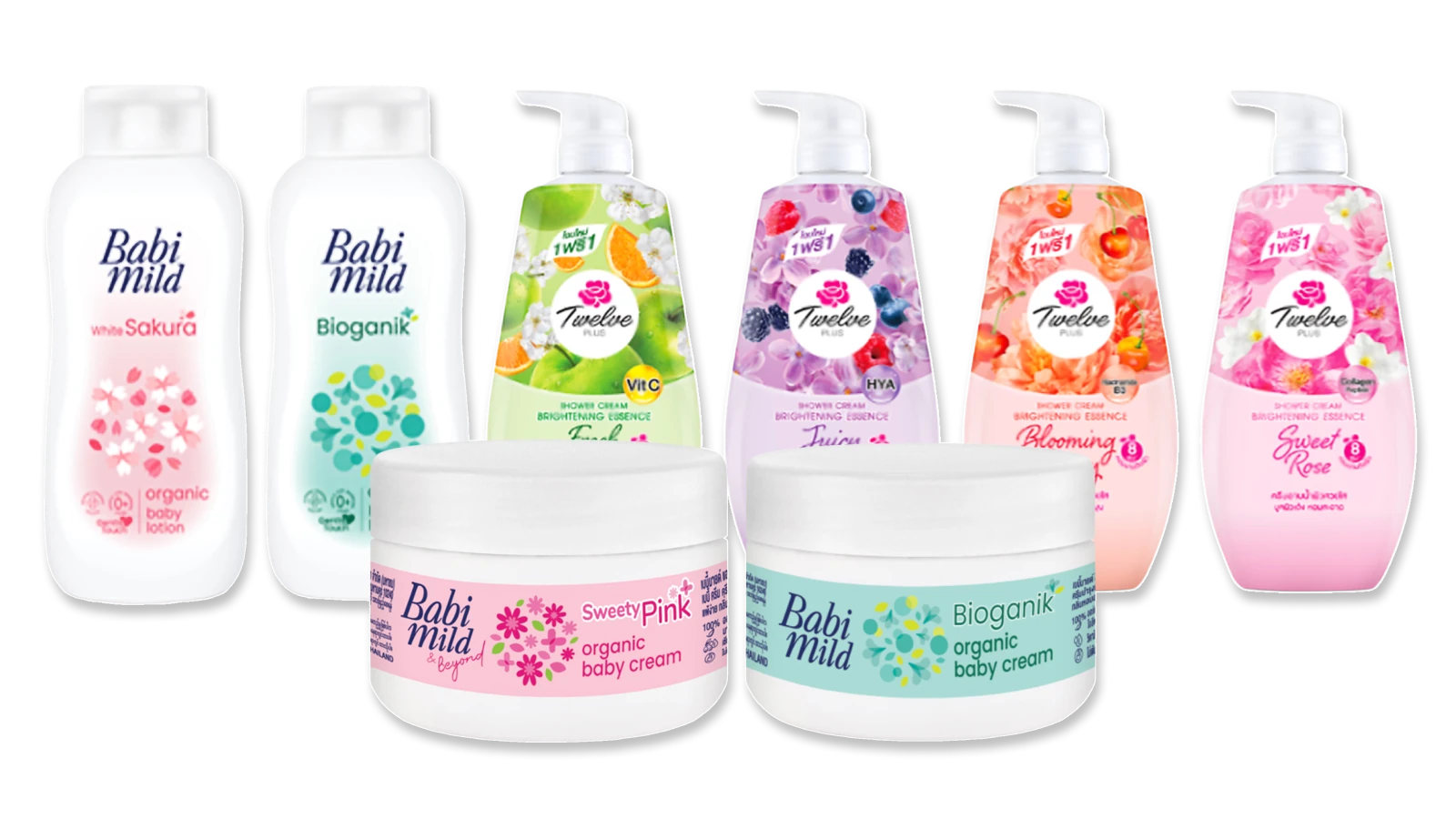
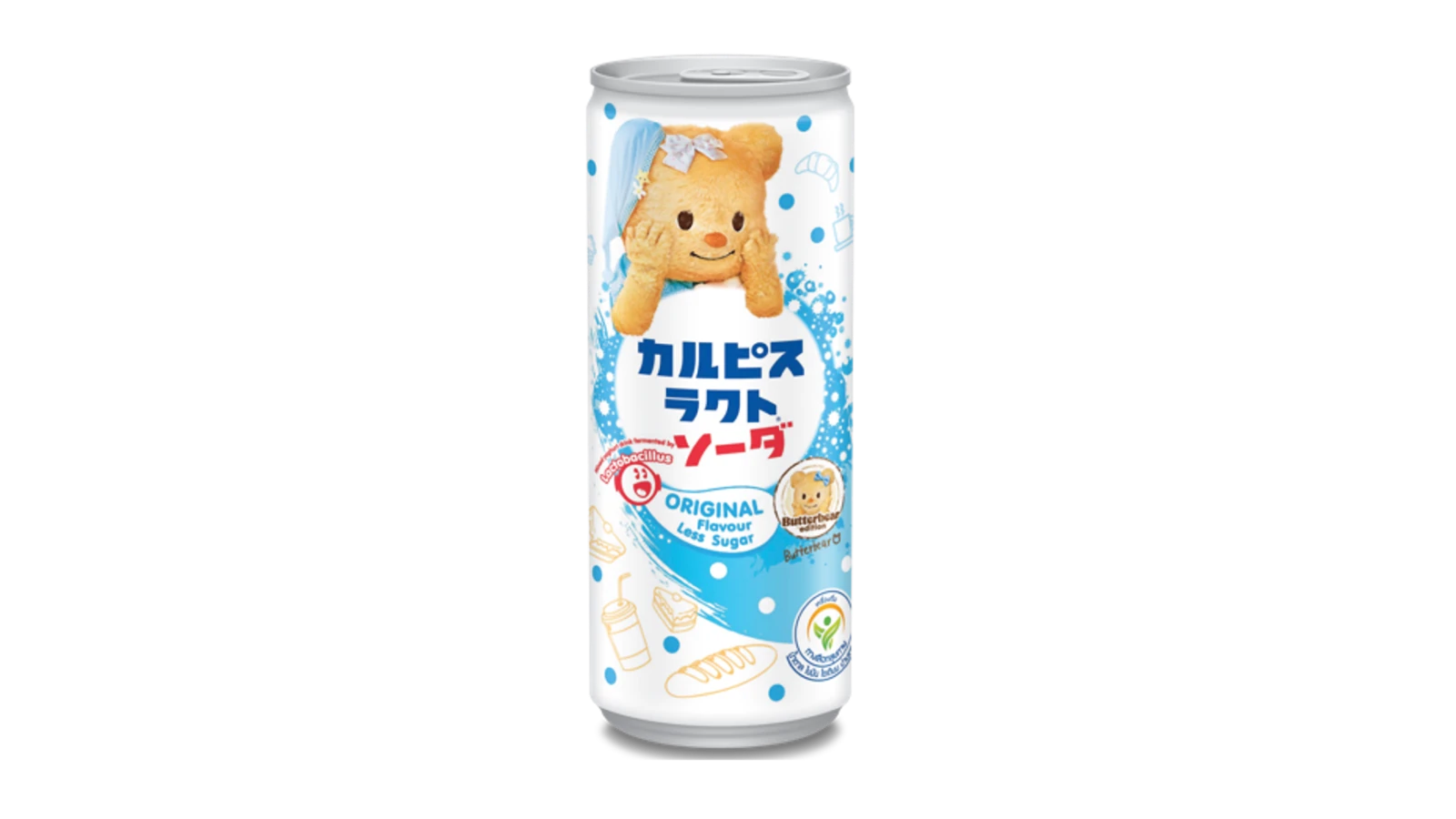
In 2025, the Company eliminated the use of PVC film across various products, including functional beverages such as Calpis Lacto, as well as personal care products such as Twelve Plus Shower Cream, Babi Mild Cream, and Babi Mild Lotion. The Company also transitioned to alternative materials made from recycled plastics to produce packaging that is easier to recycle, thereby reducing environmental impacts and supporting packaging recycling.
Reduce — Reducing Packaging Weight and Size to Minimize Environmental Impacts
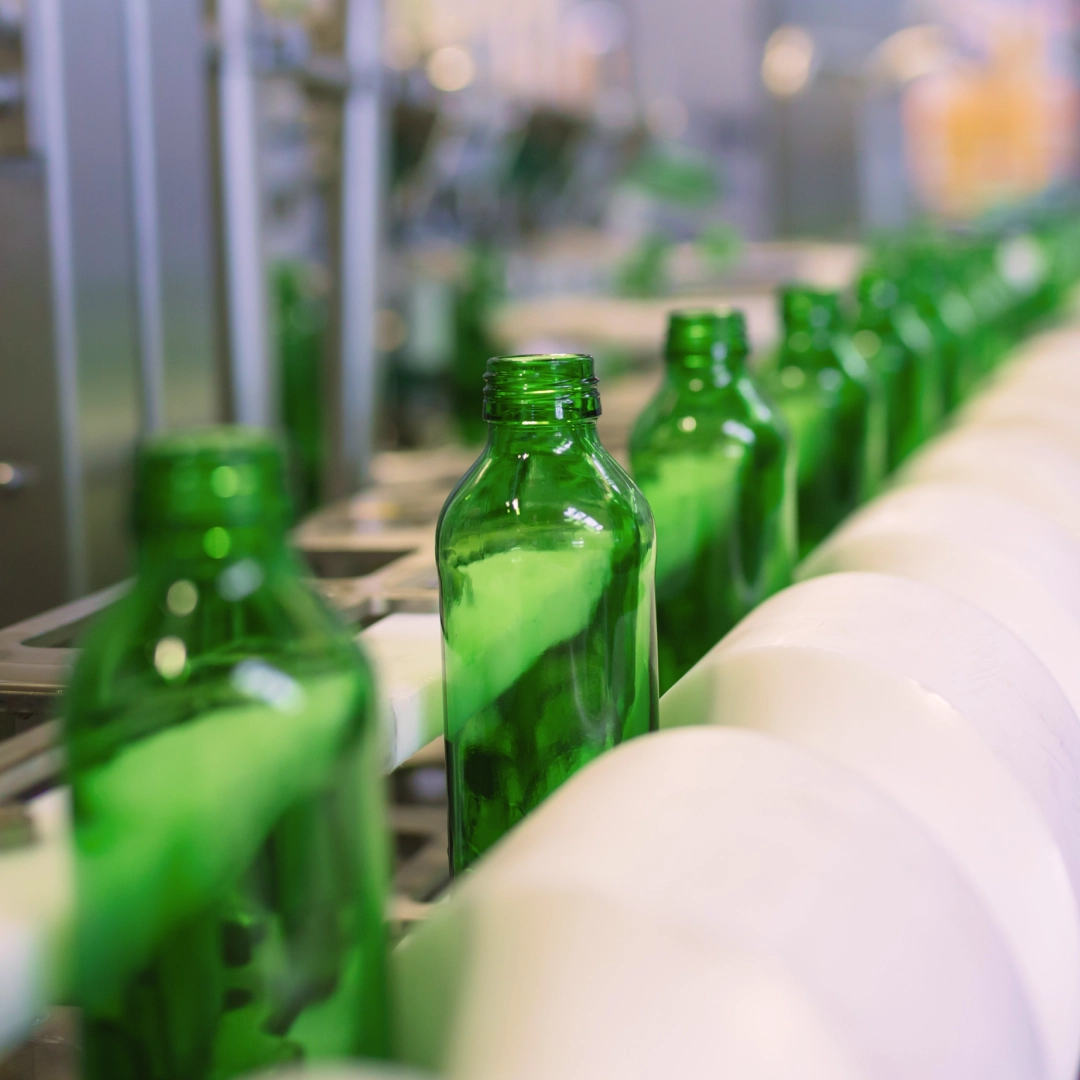
Osotspa conducts research and development on packaging design with the aim of reducing the use of plastic, glass, and paper across its packaging portfolio. This approach covers both new and existing products and supports the Company’s sustainable packaging goals by reducing material use while maintaining product quality and packaging performance. The Company has applied this approach to lightweight glass bottles and continues to extend it to other packaging materials, including paper and plastic.

Plastic Packaging Weight Reduction

Paper Packaging Weight Reduction

Reuse — Promoting Packaging Reuse to Extend Its Useful Life
Osotspa promotes reusable packaging through its Reusable Packaging Program across selected products under the Ultra Mild by Babi Mild and Babi Mild Healthy Plus brands. Products such as shower cream, fabric softener, dishwashing liquid, and foaming hand wash are offered in refill pouches, enabling consumers to continuously reuse existing bottles. In 2025, the use of refill packaging helped reduce the use of rigid plastic packaging by 121.47 tonnes, extending the useful life of primary packaging and supporting more efficient resource use and circular economy principles.
Refill pouches are significantly lighter than conventional bottles, helping reduce resource use associated with production and transportation, as well as post-consumer packaging waste. They also enable consumers to continuously reuse existing bottles, extending the useful life of primary packaging and reducing the need for additional single-use rigid plastic packaging. This approach supports circular economy principles by promoting more efficient use of resources.
In 2025, 29,390,072 Osotspa aluminum cans were collected, representing 353.9 tons of aluminum recycled and contributing to a reduction of 2,069 tons of CO₂ equivalent (tCO₂e) in greenhouse gas emissions.
Replace — Using More Environmentally Friendly Materials
Osotspa aims to manage plastic waste generated from its production processes by collecting and recycling the waste into new materials. Union J. Plus (Thailand) Co., Ltd. manages the process through to the production of post-consumer recycled (PCR) plastic resin. The PCR resin is then converted into PE shrink film for use in beverage production at Osotspa’s manufacturing facilities. Currently, the Company incorporates 30% PCR content into the PE shrink film used at its manufacturing facilities, helping reduce the use of virgin plastic resin.
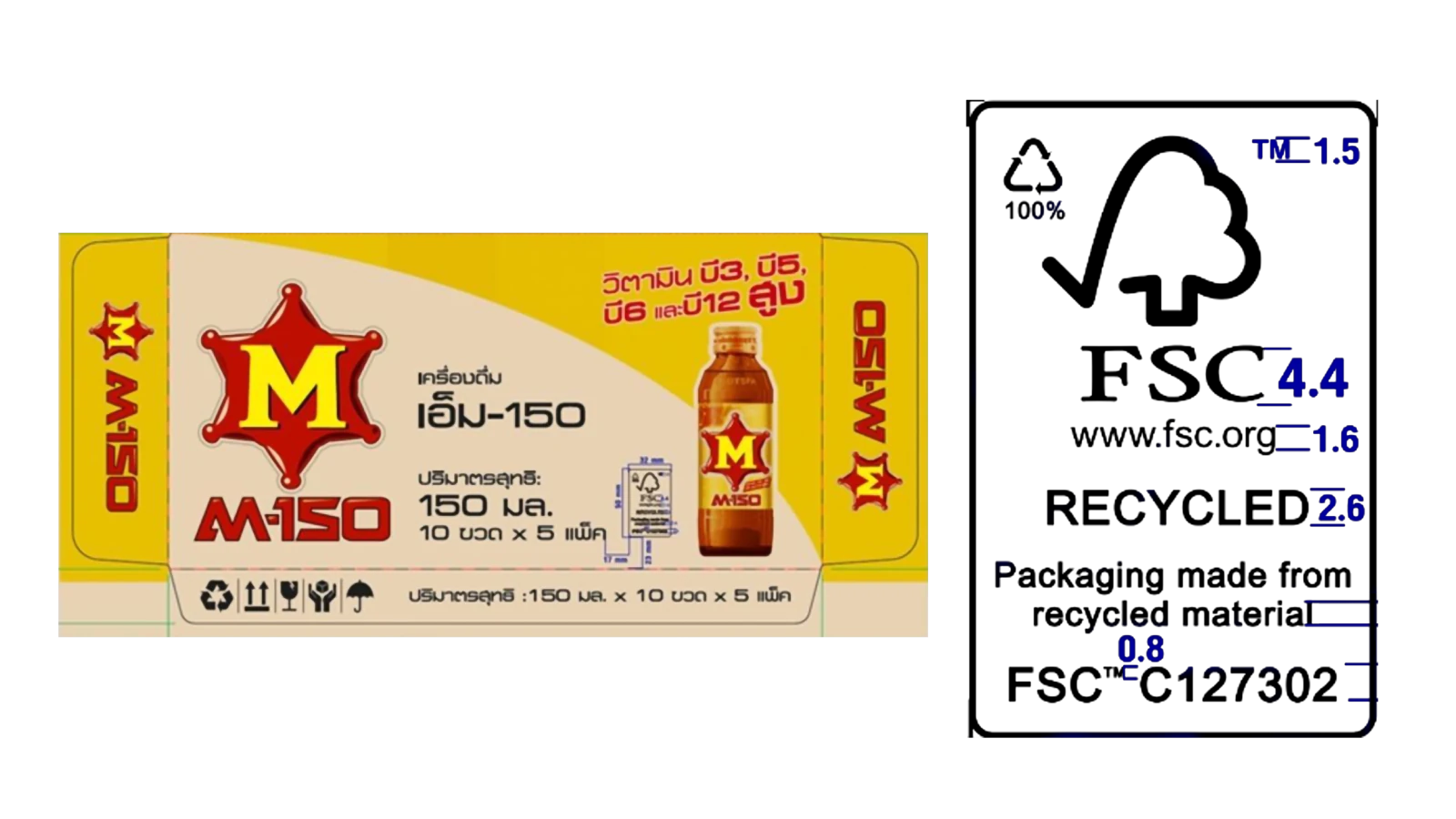
In addition, the Company promotes sustainable packaging through the use of the Carbon Footprint Reduction (CFR) label on the paper labels of M-150 HI VIT B12 products, reflecting its commitment to reducing environmental impacts across the packaging value chain. This initiative forms part of the Company’s sustainable packaging strategy and communicates its efforts to reduce packaging-related greenhouse gas emissions to consumers in a transparent and tangible manner. The initiative was implemented in the third quarter of 2025, marking another step in integrating environmental considerations into commercial product development.
Recycle — Enhancing Packaging Recyclability
Osotspa’s Recycling Center collected and processed 136,093 tons of glass cullet for reuse in glass packaging production. By recovering and reusing glass cullet, Osotspa reduced the amount of glass waste requiring landfill disposal and supported a circular packaging system.
The reuse of glass cullet resulted in an estimated 109,908 tCO₂e of GHG emissions avoided from landfill, demonstrating the environmental benefit of recovering glass packaging materials and returning them to the production cycle.
Osotspa displays recycling symbols on its packaging to communicate the recyclability of packaging materials and help consumers properly sort packaging waste, increasing the likelihood that used packaging is effectively collected and returned to the recycling system.
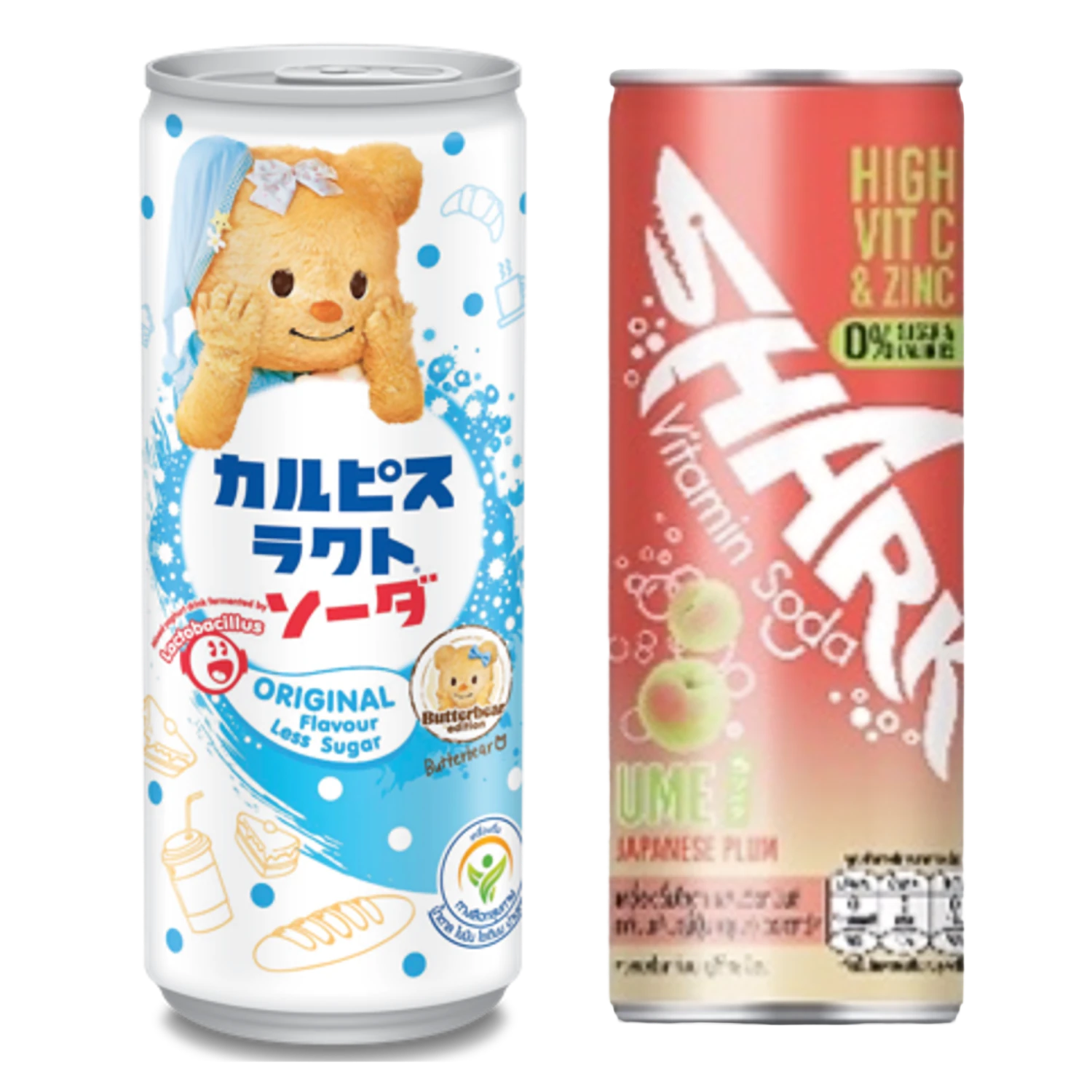
The Company also collaborates with Thai Beverage Can Co., Ltd. on the Aluminium Loop CAN: Can-to-Can Circularity initiative to promote closed-loop recycling of aluminum cans through selected beverage brands, including Calpis Lacto and M-150 Sparkling. Aluminum cans are 100% recyclable and can be recycled repeatedly without losing their inherent material properties. The Company expanded the use of Aluminium Loop CAN packaging to Calpis Lacto and Shark products.
In 2025, 29,390,072 Osotspa aluminum cans were collected, representing 353.9 tons of aluminum recycled and contributing to a reduction of 2,069 tons of CO₂ equivalent (tCO₂e) in greenhouse gas emissions.

A symbol designed to raise consumer awareness of aluminum cans as infinitely recyclable packaging that can be collected and recycled through a closed-loop recycling system in Thailand.
Collaboration — Advancing Sustainable Packaging Through Partnerships
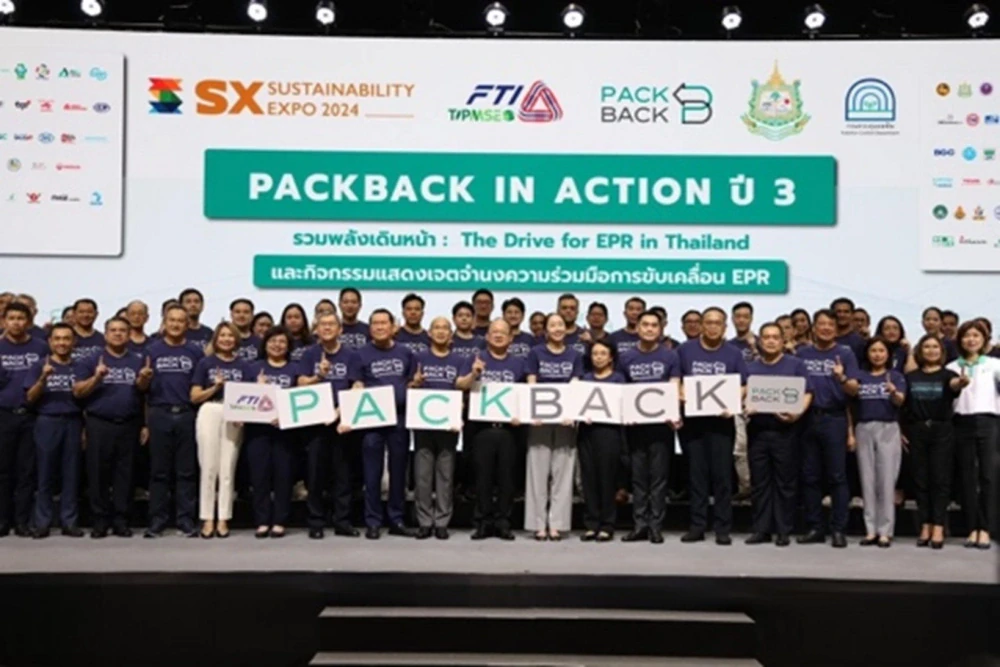
Extended Producer Responsibility (EPR)

Collaboration with Industry Partners
- Thailand Institute of Packaging and Recycling Management for Sustainable Environment (TIPMSE), The Federation of Thai Industries
- Thai Beverage Industry Association
- Industry peers
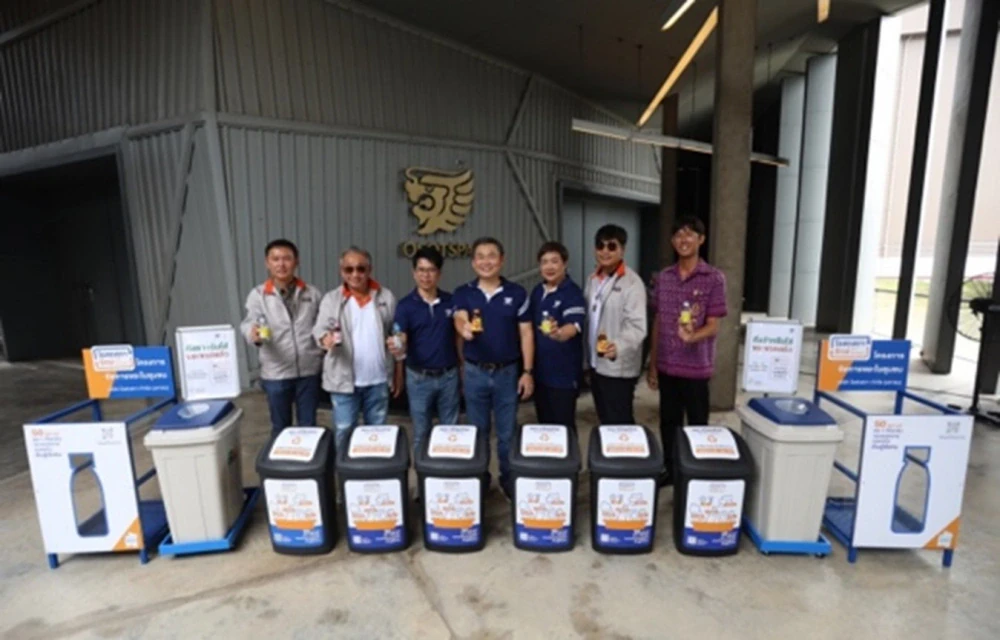
Bottle-to-Bottle Project

Collaboration with Customers and Consumers
- Small retailers and Thong Fah shops
- Motorcycle delivery service providers
- Local communities
- Bangkok Metropolitan Administration (BMA)
- Pollution Control Department (PCD)
- Department of Internal Trade (DIT)
Sustainable Cullet Sourcing

Collaboration with Suppliers and Distributors
- Wongpanit – Recyclable waste collector and supplier
Sustainable Packaging Initiatives

Collaboration with Manufacturers and Suppliers
- Thai Beverage Can Company Limited
- SCG Chemicals Public Company Limited
- PTT Global Chemical Public Company Limited
- ENVICCO Limited
- UPM Raflatac Company Limited
Packaging Material Use in 2025
| Packaging materials | Amount (metric tonnes) | Percentage of materials used that is certified | Percentage of materials used that comes from recycled sources |
|---|---|---|---|
| Wood & Paper fiber packaging | 11,692.66 | 100% (FSC-certified) | 26.04% |
| Metal packaging | 9,760.45 | 91.34% | |
| Glass packaging | 222,710.44 | 100% |
Noted : Osotspa’s wood and paper fiber packaging was FSC-certified 100%
Plastic Packaging in 2025
| 2022 | 2023 | 2024 | 2025 | 2025 Target | |
|---|---|---|---|---|---|
| Total Weight of Plastic Packaging (tons) | 6,701.00 | 6,443.00 | 6,790.89 | 6,464.91 | 6,500 |
| Proportion of Recyclable Plastic Packaging (% of total plastic packaging weight) | 91% | 92% | 93% | 91% | 90% |
| Proportion of Compostable Plastic Packaging (% of total plastic packaging weight) | 0% | 0% | 0% | 0% | 0% |
| Proportion of Recycled Content Used in Plastic Packaging (% of total plastic packaging weight) | 0.00% | 2.80% | 2.22% | 1.21% | 1.00% |
| Reporting Coverage (% of Cost of Goods Sold) | 100% | 100% | 100% | 100% |